
Thickener Underflow
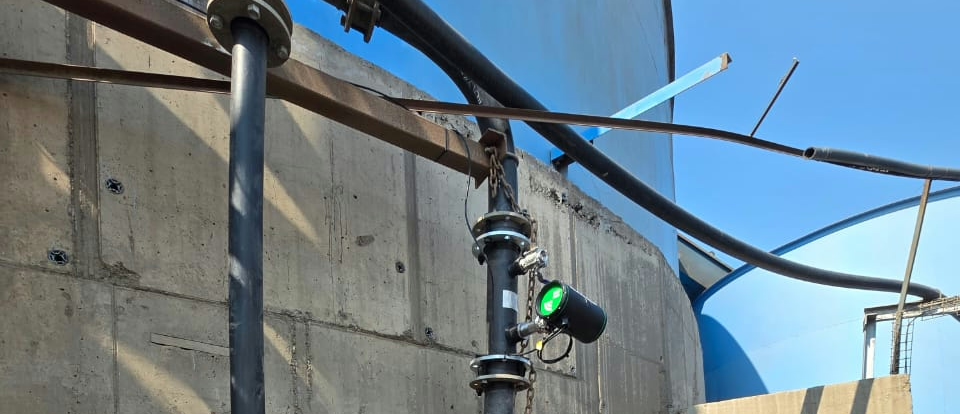
SDM ECO compared to nuke in thickener underflow
Online Ultrasonic density and concentration measurement Putten · 52.26° N 5.61° E 14:32:07 CEST
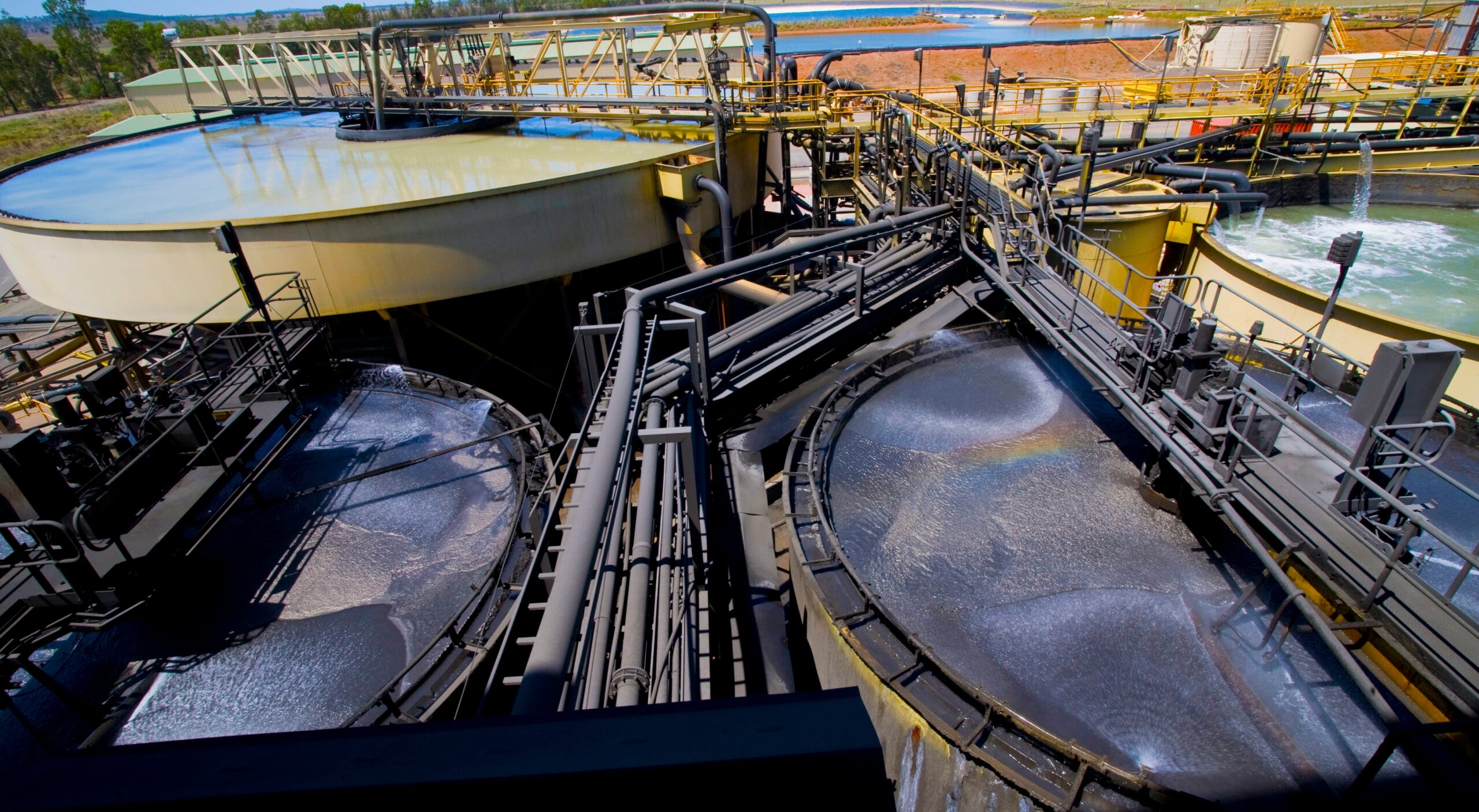
It is important to control the thickening process. If this process is incorrectly managed, it may lead to additional costs and have a negative effect on the profitability and sustainability of the operation.
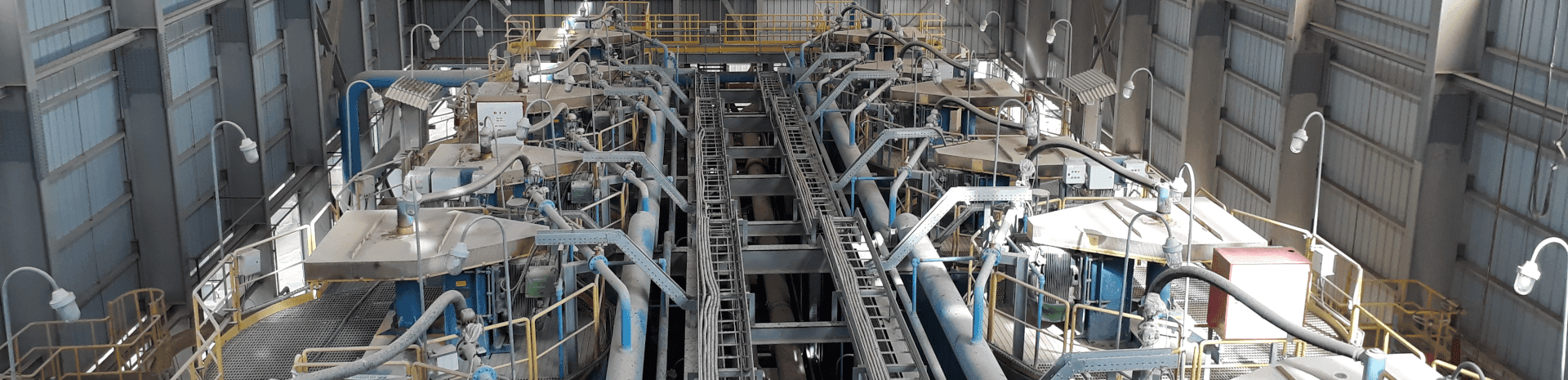
Photo · Rhosonics
Mineral processing plants are using advanced control systems to optimize their operations. Instrumentation is a key part of it, since those instruments obtain real-time data on the processes to be used in control loops.
The thickening process is one of the processes which is important to control, because if this is incorrectly managed, this may lead to additional costs and have a negative effect on the profitability and sustainability of the operation.
Examples of negative effects are:
Investments in technology (e.g. measuring instruments) can directly result in better control of the thickener operation. Sensors allow operators to monitor the performances of thickeners and help them to meet water recovery and metal production requirements.
There are different targets to optimize thickener performance:
– An underflow density target is used to ensure optimum solids content in the tailings impoundment, and optimum water reclaim for the mill
– A bed/mud level target is used to obtain optimum loading in the thickener without overloading the drive mechanism
– Bed pressure is used as an indication of solids inventory. This helps the system to determine whether a high bed level is the result of decreased settling rate or increased solids inventory
– In some cases, a drive torque target is used as an indication of acceptable underflow rheology
Advanced process control is key to reach stability in the operation. When instrumentation is combined with decent control strategies, the system is capable of detecting process issues in real-time and solving these before becoming problematic. Advanced process control saves time for the operator which can be spent on improving the operation, reaching a higher underflow density, and redefining the existing targets/setpoints.
Density measurement is usually done by radiation-based measuring devices. This technology has been used in the mineral processing industry for decades. However, nowadays governmental regulations are getting stricter and associated costs are increasing. More nuclear density meters are being replaced by alternatives.
These alternatives can do the same job, without administration costs and health and safety risks related to the nuclear source.
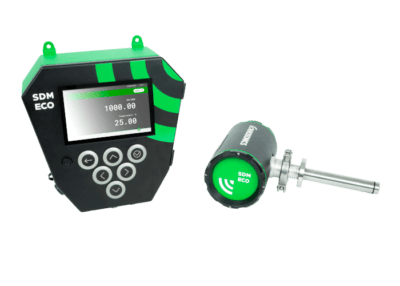
The eco-friendly 3rd-gen Rhosonics Slurry Density Meter (SDM ECO) has been introduced in 2023 and preludes a new era of non-nuclear slurry density measurements. It is known as one of the best alternatives to radiometric density meters, with over 1.000 installations worldwide.
Please contact Rhosonics if you want to learn more about density measurement in a non-nuclear way. Our team is ready to replace your nuclear density gauge.
Want to have frequent updates on our products? Then please subscribe to our newsletter or follow us on LinkedIn.
Contributors
Every piece is written by someone at Rhosonics and reviewed by an engineer who works with the instrument. Names, so you can ask them.
Words
More from Insights
SDM ECO compared to nuke in thickener underflow
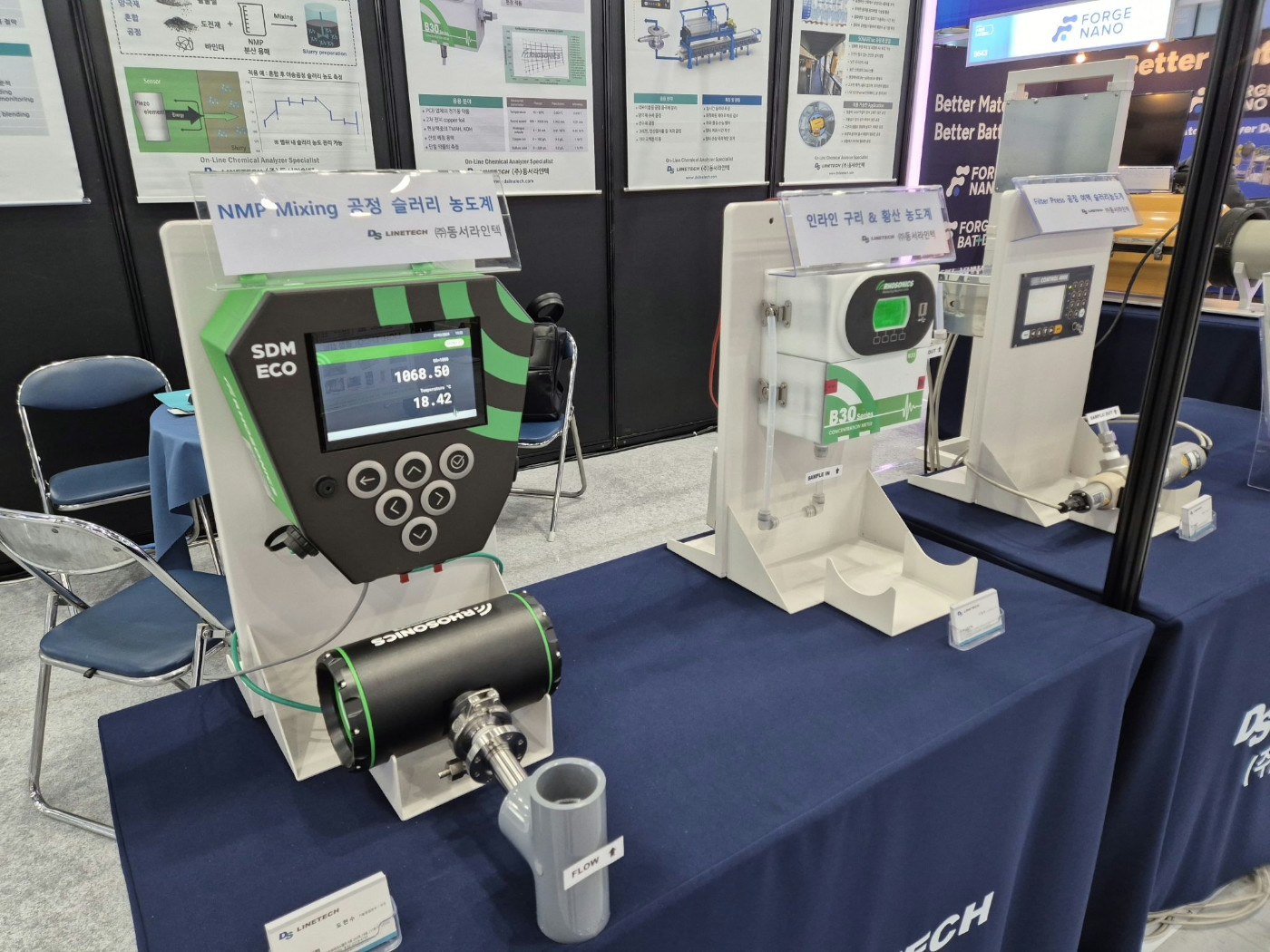
In 2026, Rhosonics Expands Global Reach by Showcasing Ultrasonic Process Solutions at Premier Industry Events.
Maintaining stable process conditions is critical for efficient flotation. With the right instrumentation and integrated automation stable process con...
Tell us the medium, pipe size and operating conditions. An engineer will tell you which instrument fits and what to expect from it, in writing, so it can go in the file.