

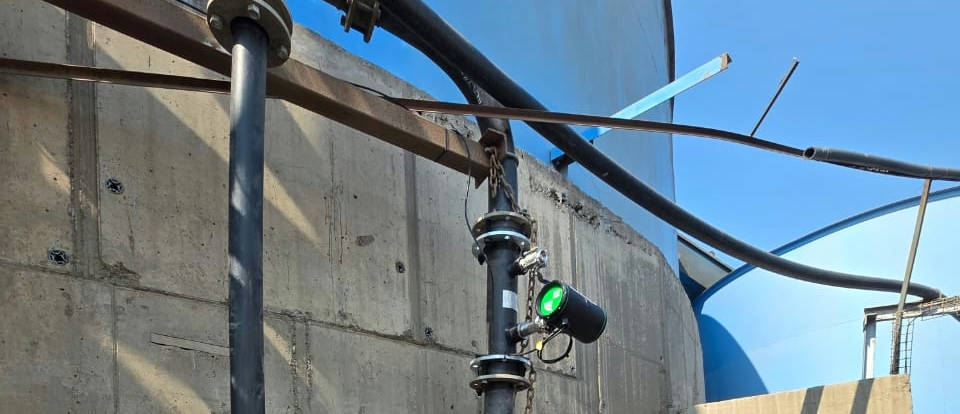
Thickener Underflow
SDM ECO compared to nuke in thickener underflow
Online Ultrasonic density and concentration measurement Putten · 52.26° N 5.61° E 14:32:07 CEST
Let’s delve into what exactly trailing suction hopper dredgers are, how they operate, and why they stand out from stationary dredging boats.
Photo · Rhosonics
In the world of dredging, few vessels are as crucial as trailing suction hopper dredgers (TSHDs). These impressive ships play a vital role in maintaining navigable waterways, harbors, and ports around the globe. Let’s delve into what exactly these vessels are, how they operate, and why they stand out from stationary dredging boats.
Trailing suction hopper dredgers are specialized ships designed to remove sediment, silt and debris. They remove it from the bottom of bodies of water, such as rivers, estuaries, and oceans. Unlike stationary dredgers, which operate from a fixed position, TSHDs are mobile and capable of dredging while moving.
The operation of a trailing suction hopper dredger can be broken down into four key steps:
Trailing suction hopper dredgers offer several advantages over traditional dredging vessels. For one, they’re self-propelled, allowing them to navigate to dredging sites without the need for external assistance or infrastructure. This mobility means TSHDs can dredge while in motion, reducing dredging time compared to stationary dredgers. Also, it allows them to operate in a wide range of water depths and conditions, from shallow rivers to deep-sea channels. By dredging while moving, TSHDs also minimize disruption to marine ecosystems and reduce the turbidity and sedimentation associated with stationary dredging operations.
You can find an excellent explanation of the functioning of a TSHD here, alongside a diagram which showcases how the equipment works.
Slurry density directly impacts the filling time for the material into the hopper, dredging efficiency and pump performance and in Trailing Suction Hopper Dredgers, so accurate measurement of slurry density is essential in optimizing dredging operations and ensuring operational safety.
The Rhosonics SDM ECO is the perfect tool for this purpose. With its advanced ultrasonic sensor technology, the SDM ECO delivers reliable, repeatable density indications, even in the most challenging conditions. Its robust design, featuring highly abrasion-resistant materials, ensures durability and longevity, minimizing maintenance requirements and maximizing uptime.
TSHDs rely on precise control of suction parameters, such as suction speed and pump rate, to effectively dredge while in motion. By integrating real-time slurry density measurements from the SDM ECO with flow rate data from a flow meter, TSHD operators can fine-tune these parameters to maximize dredging efficiency, regardless of whether the vessel is stationary or in motion.
Trailing Suction Hopper Dredgers are instrumental in maintaining navigable waterways and maritime infrastructure, among other critical functions. With their mobility, efficiency, and versatility, these vessels play a vital role in ensuring safe and efficient navigation for vessels of all sizes. By utilizing tools like the Rhosonics SDM ECO to monitor slurry density and optimize dredging parameters, operators can further enhance efficiency and safety while minimizing the environmental impact of traditional nuclear-based density measurements.
Learn more about the Rhosonics SDM ECO by checking out our product page here.
Want to have frequent updates on our products? Then please subscribe to our newsletter or follow us on LinkedIn.
Contributors
Every piece is written by someone at Rhosonics and reviewed by an engineer who works with the instrument. Names, so you can ask them.
Words
More from Insights
SDM ECO compared to nuke in thickener underflow
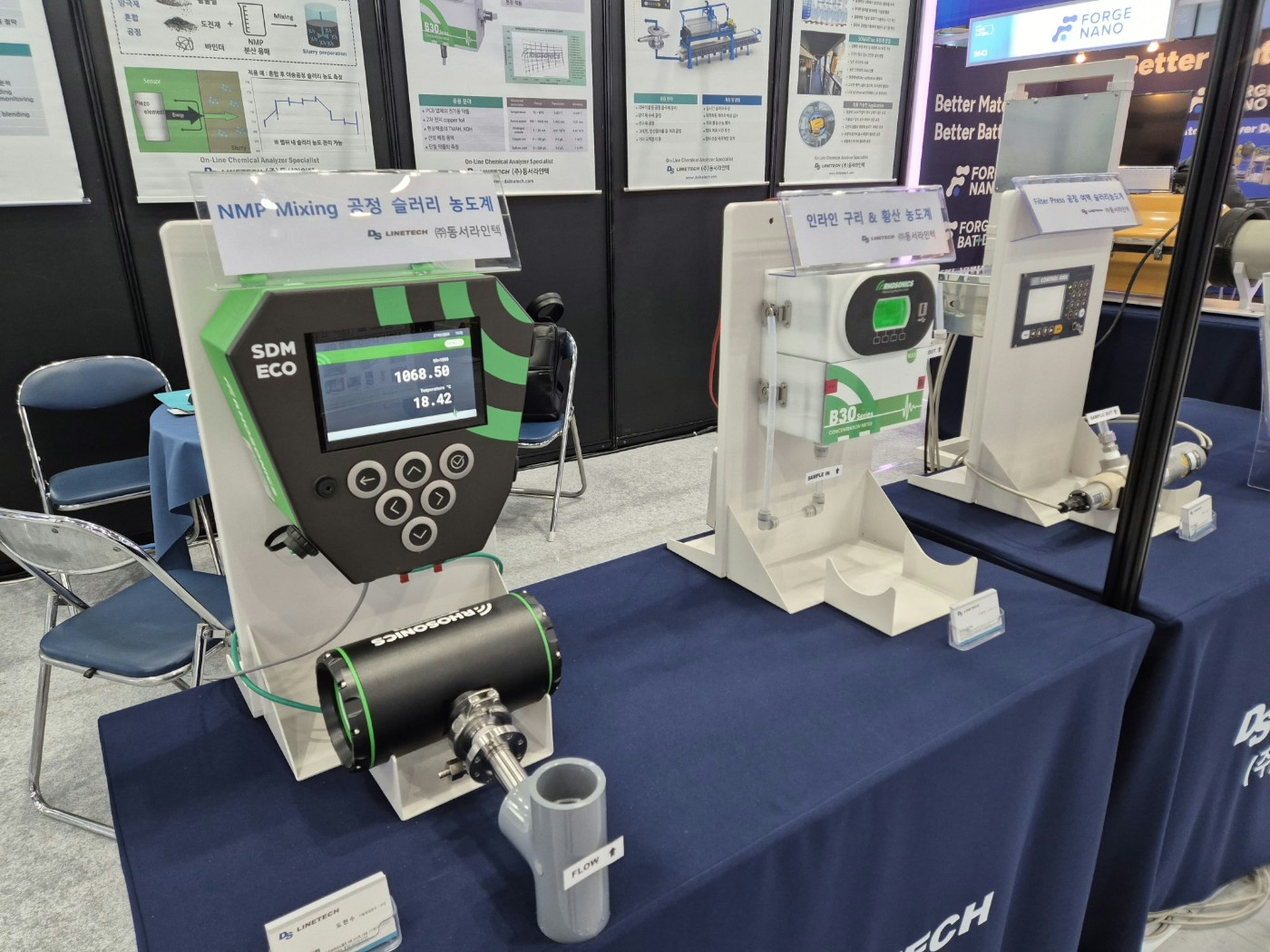
In 2026, Rhosonics Expands Global Reach by Showcasing Ultrasonic Process Solutions at Premier Industry Events.
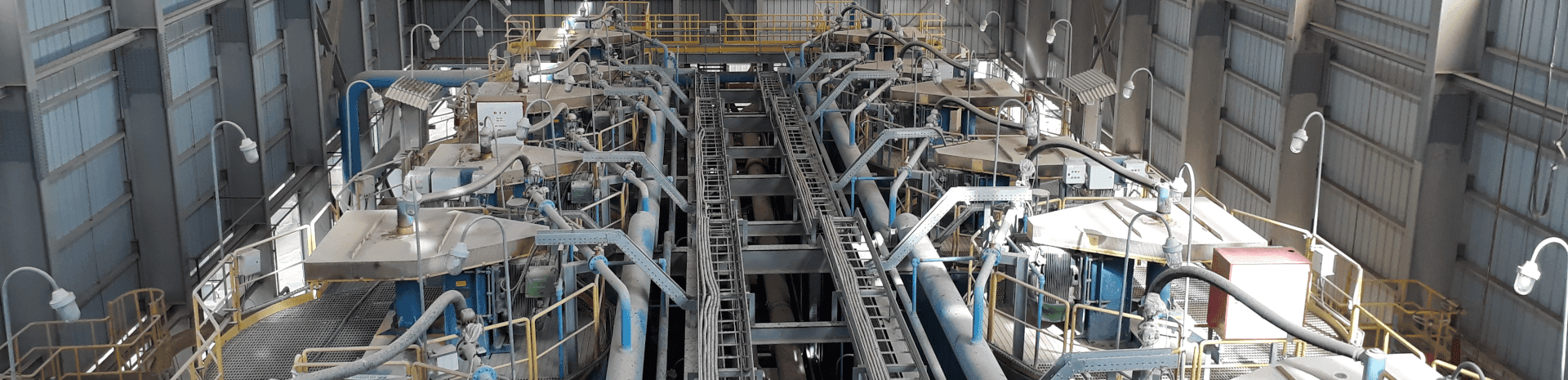
Maintaining stable process conditions is critical for efficient flotation. With the right instrumentation and integrated automation stable process con...
Tell us the medium, pipe size and operating conditions. An engineer will tell you which instrument fits and what to expect from it, in writing, so it can go in the file.