
Thickener Underflow
SDM ECO compared to nuke in thickener underflow
Online Ultrasonic density and concentration measurement Putten · 52.26° N 5.61° E 14:32:07 CEST
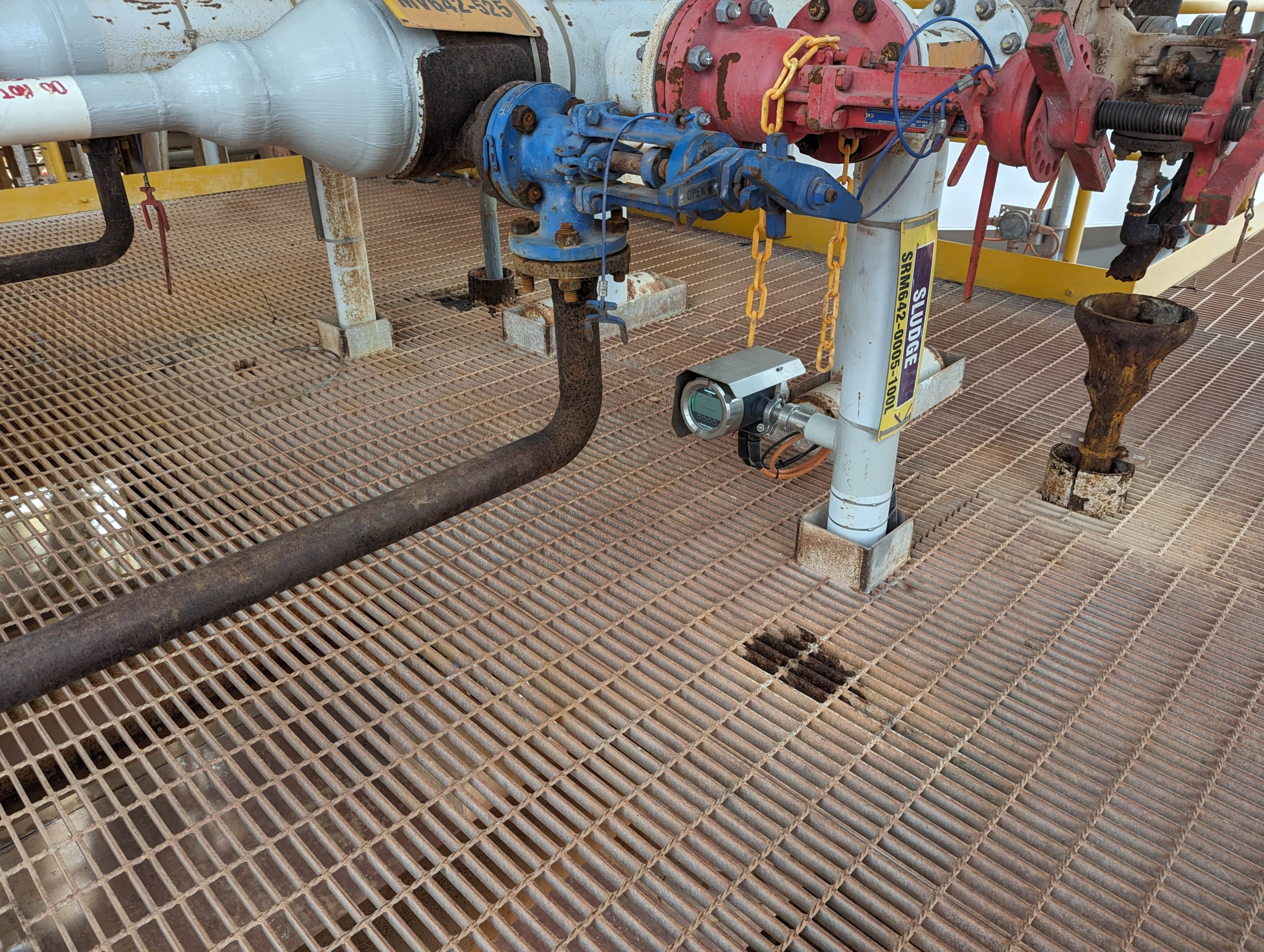
SDM compared against the nuclear standard for alumina extraction
Photo · Rhosonics
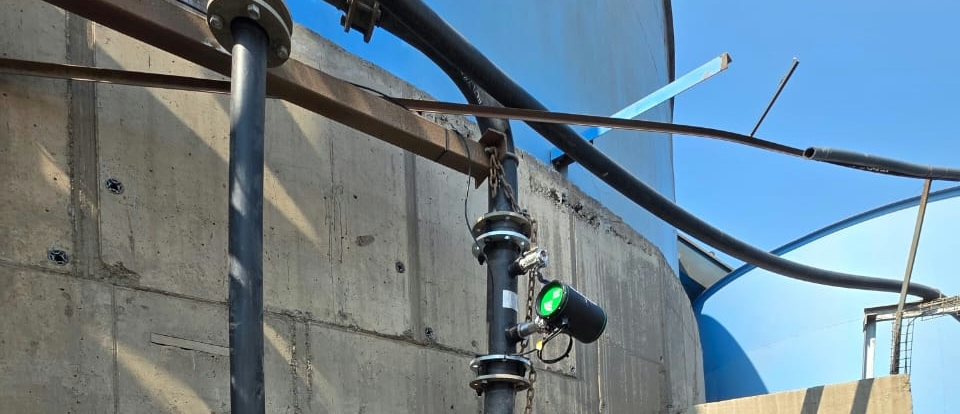
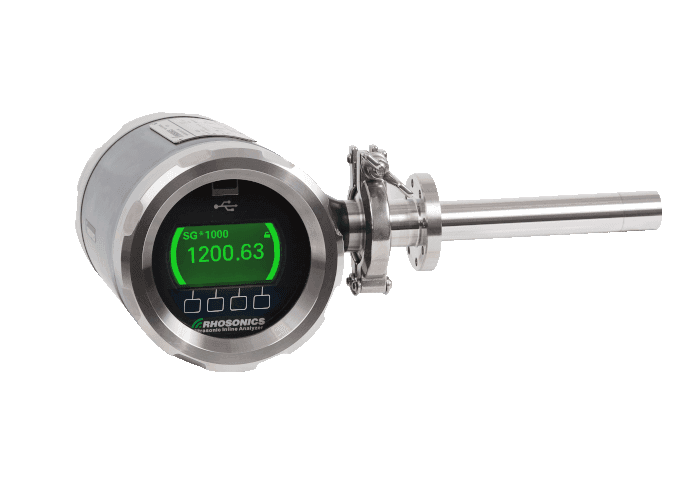
Rio Tinto Gove, a prominent alumina extraction facility, recognized the need to optimize their process efficiency while prioritizing safety and reliability. This case study delves into their journey of implementing Rhosonics SDM (Slurry Density Meter) technology to revolutionize density measurement in their mud extraction process, replacing traditional radioactive density meters for a safer and more accurate solution.
Since the installation of Rhosonics SDM, Rio Tinto Gove has experienced significant improvements in process control and efficiency. Real-time interpretation of trended data has replaced labor-intensive sampling processes, enabling timely adjustments and enhancing the quality of mud supplied to various parts of the plant. This has resulted in increased operational efficiency, reduced downtime, and improved overall productivity.
You can read the whole story in the case study. Click on the image below to download it.
Get in touch with Rhosonics for further information about chemical concentration or density control. If you want to learn more about our applications, then please also check our client cases and webinars.
Want to have frequent updates on our products? Then please subscribe to our newsletter or follow us on LinkedIn.
Contributors
Every piece is written by someone at Rhosonics and reviewed by an engineer who works with the instrument. Names, so you can ask them.
Words
More from Insights
SDM ECO compared to nuke in thickener underflow
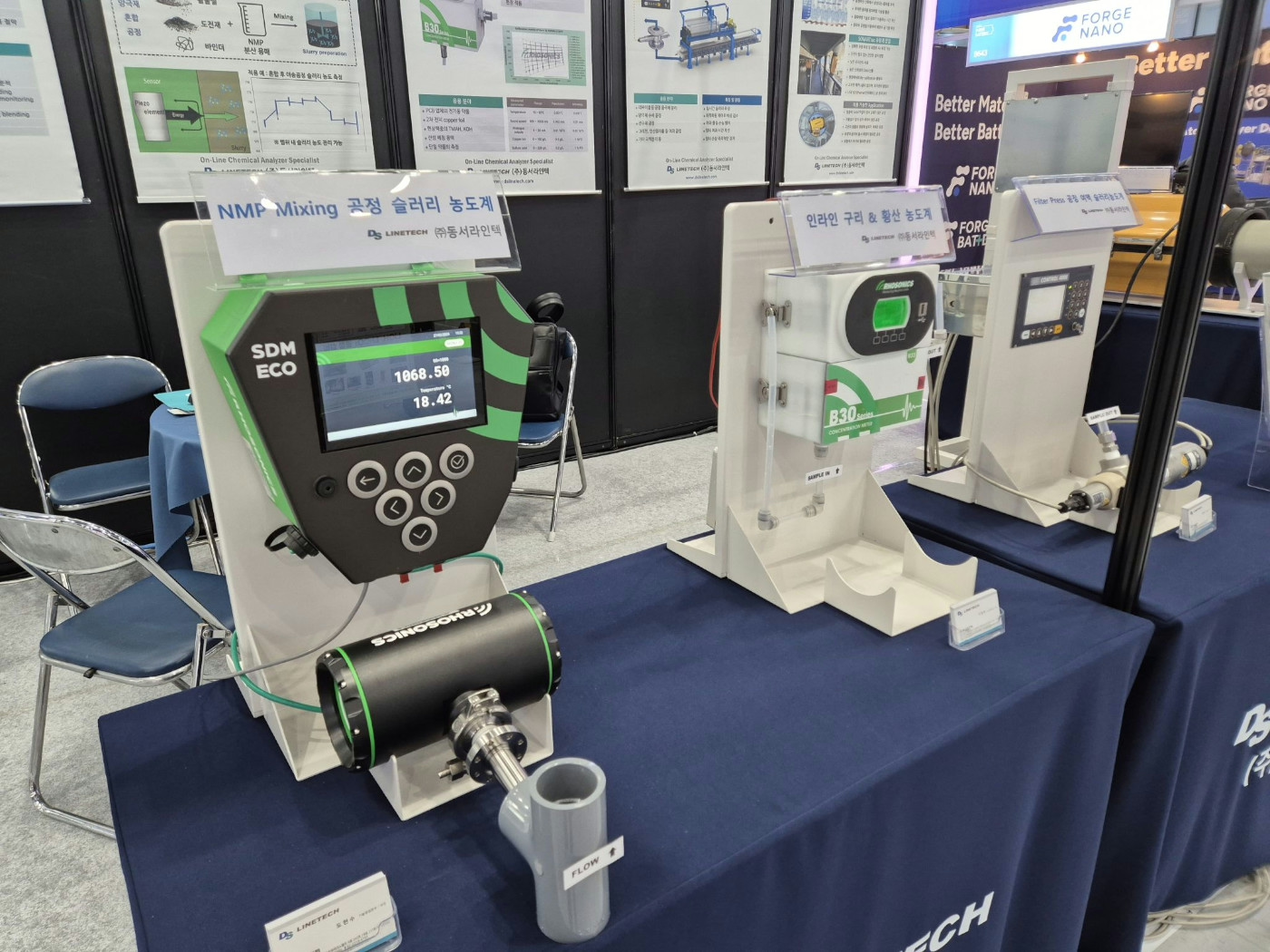
In 2026, Rhosonics Expands Global Reach by Showcasing Ultrasonic Process Solutions at Premier Industry Events.
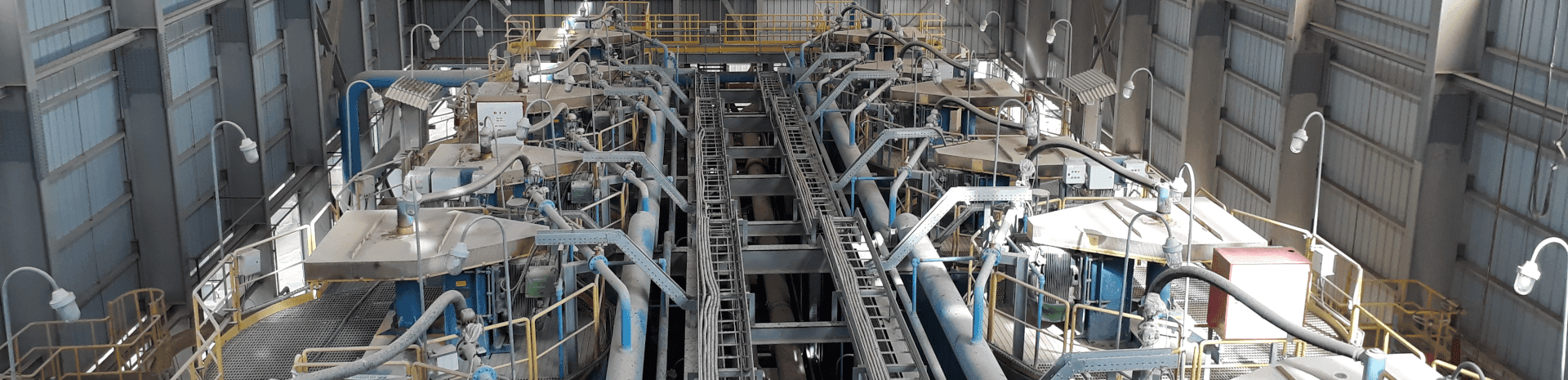
Maintaining stable process conditions is critical for efficient flotation. With the right instrumentation and integrated automation stable process con...
Tell us the medium, pipe size and operating conditions. An engineer will tell you which instrument fits and what to expect from it, in writing, so it can go in the file.