
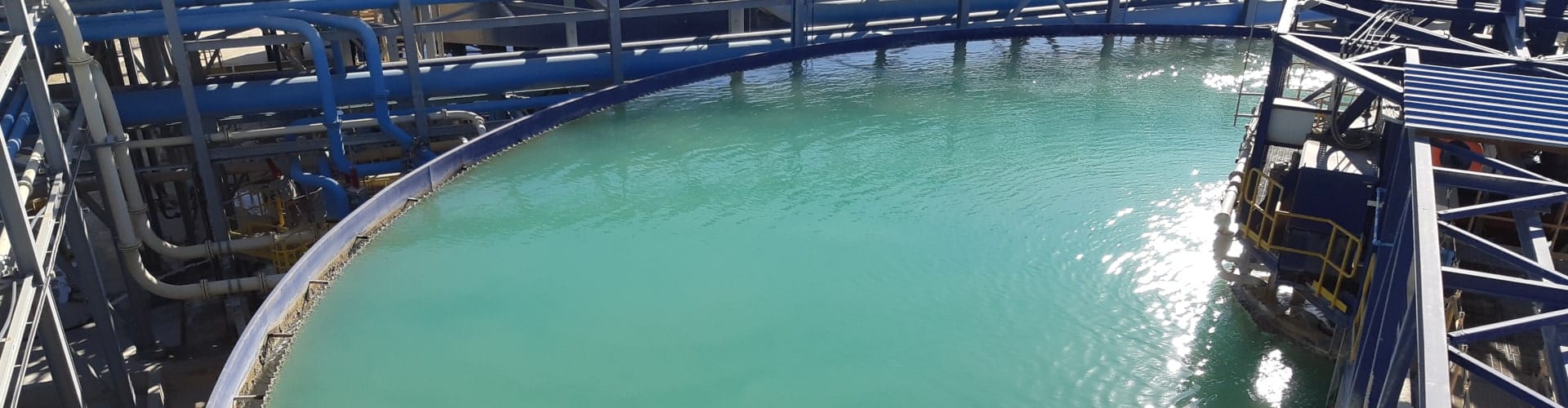
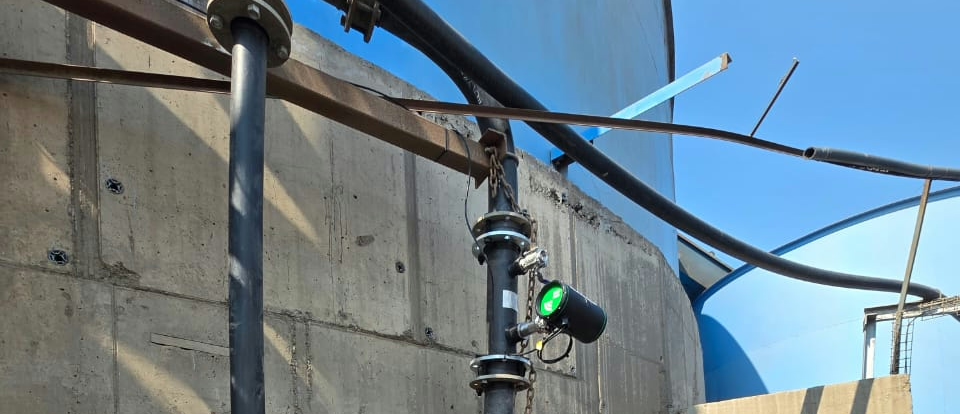
Thickener Underflow
SDM ECO compared to nuke in thickener underflow
Online Ultrasonic density and concentration measurement Putten · 52.26° N 5.61° E 14:32:07 CEST
Mineral processing plants are using advanced control systems to optimize their operations. Instrumentation is a key part of it, since those instruments obtain real-time data on the processes to be used in control loops.
Photo · Rhosonics
Mineral processing plants are optimizing their operations through the use of advanced control systems, with instrumentation playing a key role. These instruments obtain real-time data on processes, which can be utilized in control loops to regulate valves, pumps, reagent addition, and the introduction of dilution water to slurries to increase process stability and efficiency. This blog will discuss the most common control variables for thickener optimization.
Companies often encounter various issues in the thickening/dewatering process. One of the most common problems is when the underflow density deviates from the target value, resulting in the presence of solids in the overflow. When the density in a tailing thickener is lower than the target, it can cause water loss into the underflow. This can shorten the life of tailing dams. On the other hand, when the density is higher than the target, it can lead to pump blockage during material transfer to the subsequent process stage. To address these issues, companies need to implement effective control strategies that can optimize the thickening/dewatering process.
Solids in the overflow can significantly affect product quality and cause downstream process issues such as difficulty operating or maintaining filters. Other challenges in the thickening/dewatering process include sliming/flare events, excessive flocculant use, lack of insight into throughput, absence of real-time measurements, and rake bogging/shaft breakages.
In real-life situations, there are numerous disturbances in the process, including volumetric flow, changing ore types, particle size changes, and Rheology conditions, among other factors. Therefore, it is crucial to have good control over the process. This requires measuring all possible variables that might arise.
Many control strategies are possible for any part of the process. The traditional approach often involves single-loop (PI) controllers to manage underflow pumping and speed based on density. However, this method may require excessive amounts of polymers to compensate for changes, and in some cases, operator intervention is necessary. Therefore, single-loop (PI) controllers are suboptimal for handling the slow and complicated process dynamics.
A traditional control strategy is less effective than an advanced control strategy. Consultants usually create Model Predictive Controllers (MPCs) for each process. They determine the best-suited model to the process by creating various models and using all available data to indicate the required instrumentation. Real-time automatic control of desired setpoints (e.g., underflow density, overflow clarity) is possible with these models. This is a standard method for control purposes with a multivariable character and complex response dynamics.
There are different targets to optimize thickener performance:
Also read our other blog: Control strategies in flotation

Want to have frequent updates on our products? Then please subscribe to our newsletter or follow us on LinkedIn.
Contributors
Every piece is written by someone at Rhosonics and reviewed by an engineer who works with the instrument. Names, so you can ask them.
Words
More from Insights
SDM ECO compared to nuke in thickener underflow
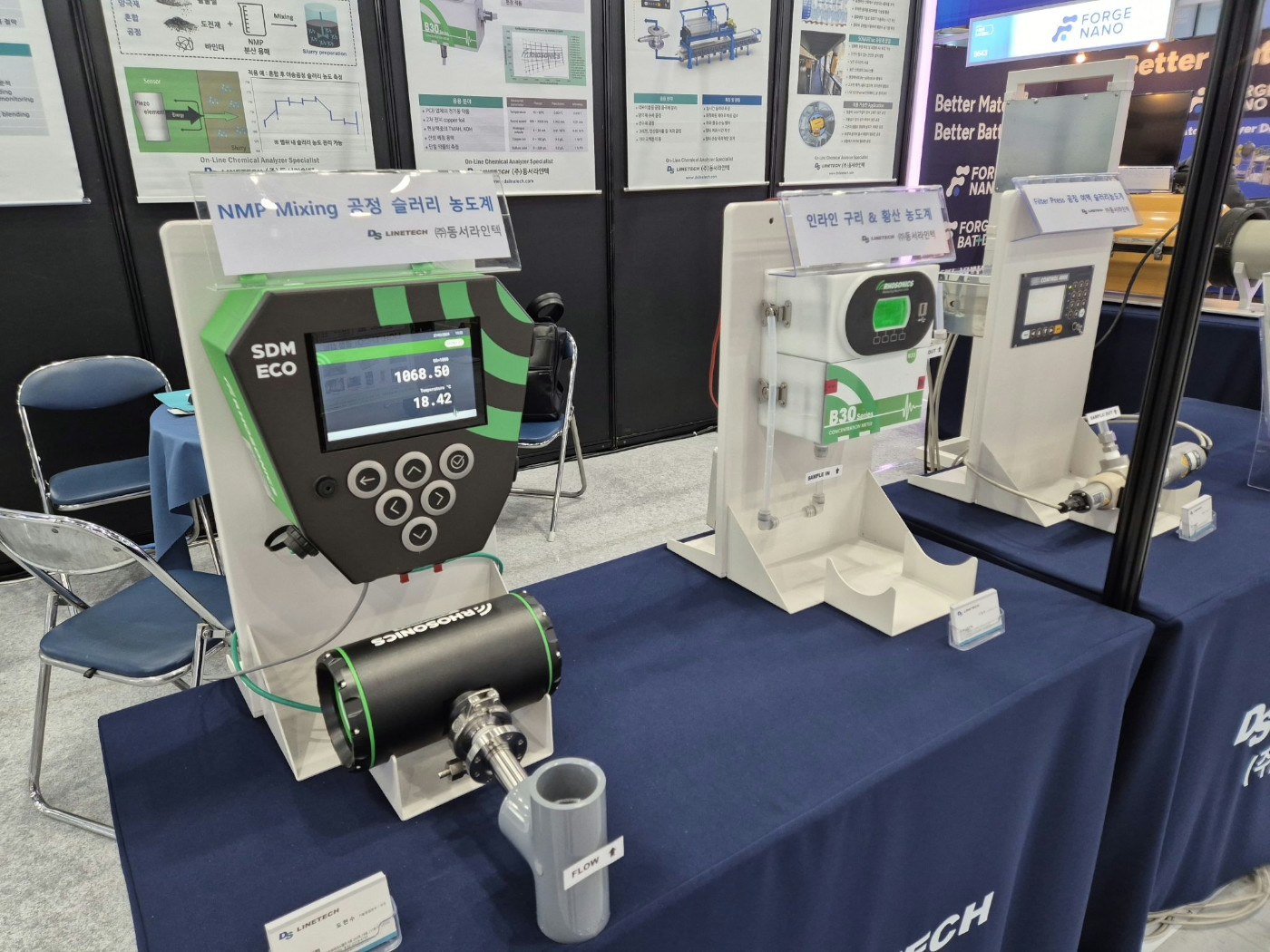
In 2026, Rhosonics Expands Global Reach by Showcasing Ultrasonic Process Solutions at Premier Industry Events.
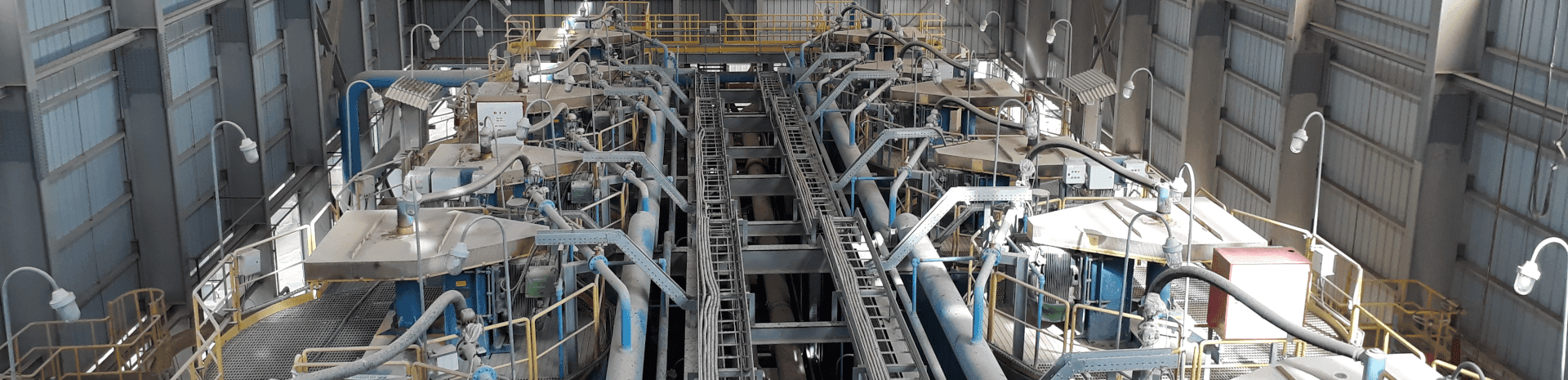
Maintaining stable process conditions is critical for efficient flotation. With the right instrumentation and integrated automation stable process con...
Tell us the medium, pipe size and operating conditions. An engineer will tell you which instrument fits and what to expect from it, in writing, so it can go in the file.