
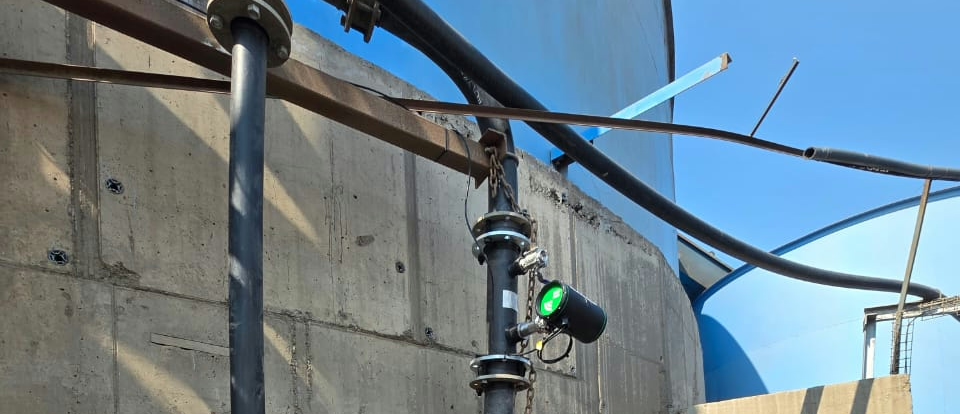
Thickener Underflow
SDM ECO compared to nuke in thickener underflow
Online Ultrasonic density and concentration measurement Putten · 52.26° N 5.61° E 14:32:07 CEST
What am I going to do with the old source? This question comes up when radiation sources of density gauges are reaching the end-of-life phase.
Photo · Rhosonics
What am I going to do with the old source? This question comes up when radiation sources of density gauges are reaching the end-of-life phase.
The sources of today were purchased about thirty years ago. You can imagine that this was done by different employees. The employee who is qualified as RSO (Radiation Safety Officer) is responsible for maintenance of the sources on-site and has to make a decision what to do with the end-of-life sources of density meters. There are three options, which are discussed in this blog.
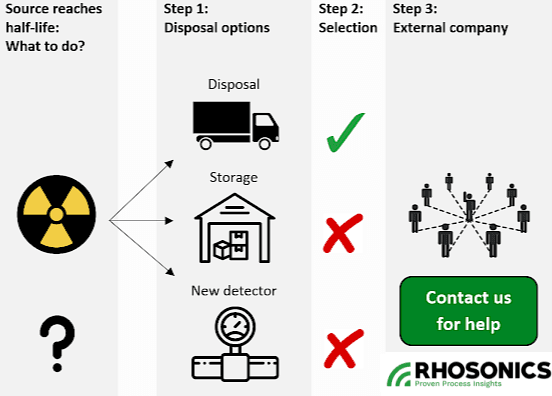
When the source of the density meter is beyond the usable life, the customer has three options:
Most companies want to get rid of their nuclear density meter gauge because of the health and safety risks, the licenses, trainings and costs. Therefore, more and more companies will choose for the disposal of the source.
Some have teams to remove the source, but normally, the manufacturer or supplier of radioactive sources is caring for disposal of the sources. In some countries the manufacturer is obligated to offer disposal services. In other countries, end-users have to arrange the disposal themselves.
You can contact Rhosonics to help with this process.
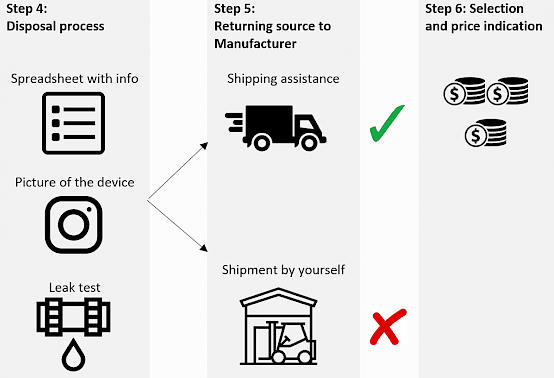
When the external company receives an inquiry, they will send a spreadsheet to fill out. This give them more information about the date of manufacture, the serial number and the gauge in which it is contained. Sometimes they ask for a picture of the device and source tag.
With this information, they can verify if it is a source they can take ownership of. Then they require a leak test, which is a process where you wipe the density gauge around and near the opening with a cotton swab. Which is then tested for trace amounts of radioactive material. This is to confirm that the device is not leaking prior to shipment.
Depending on the location, they can also provide shipping assistance. Transportation can be an issue if the source manufacturer is located in another country.
If all is clear, they will agree on payment terms. The associated disposal costs are mostly driven by the isotope and activity. Their costs for disposal of the source are for example about 7.000,- USD in the US. But only if there are no additional costs to solve safety problems with the radiation protection shielding.
The eco-friendly Rhosonics Slurry Density Meter (SDM) has been introduced in 2016 and is the first real alternative to substitute nuclear density meters, reaching over 1.000 installations worldwide.
Please contact Rhosonics if you want to have more information about our density meter (SDM).
Contributors
Every piece is written by someone at Rhosonics and reviewed by an engineer who works with the instrument. Names, so you can ask them.
Words
More from Insights
SDM ECO compared to nuke in thickener underflow
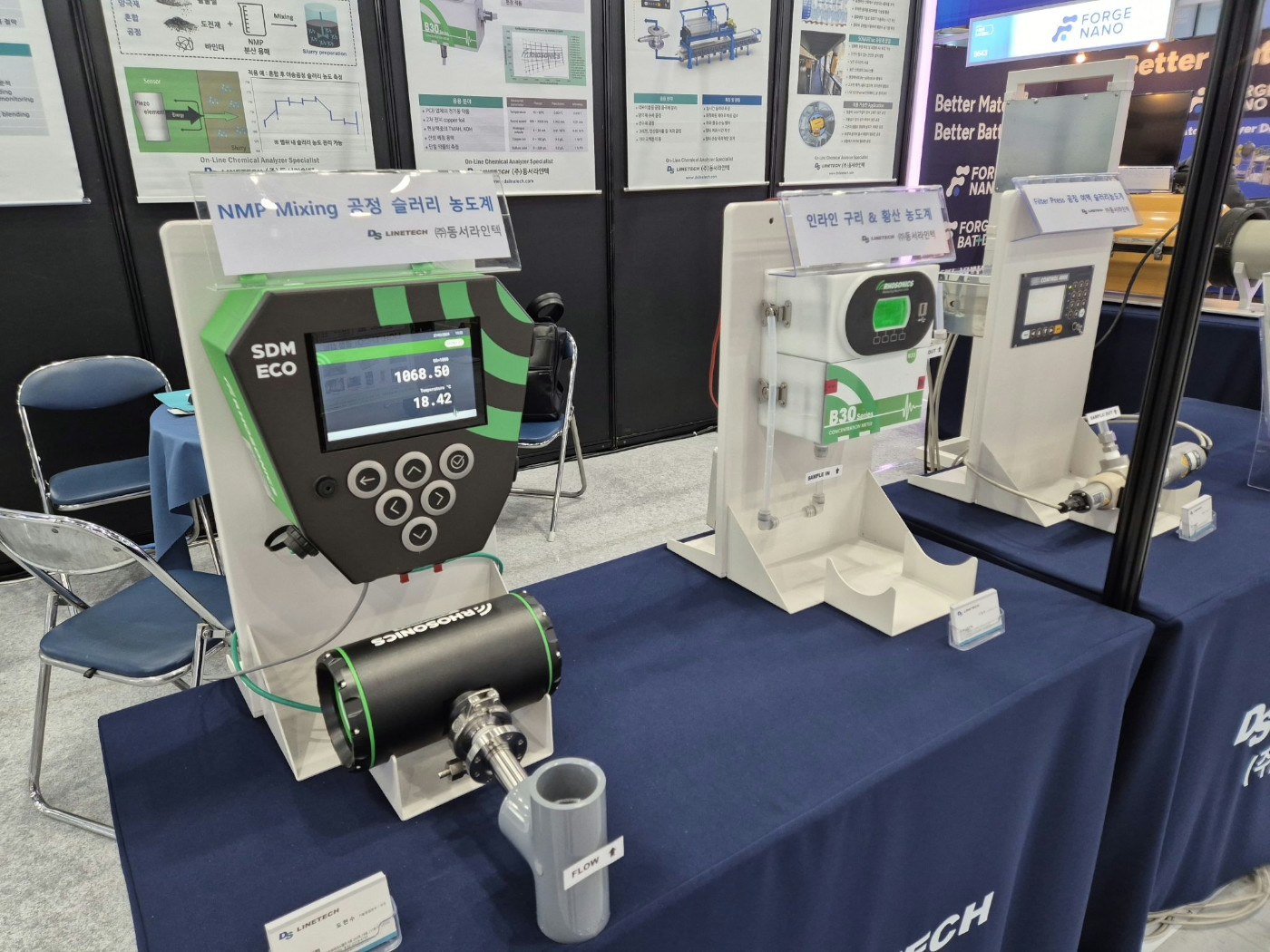
In 2026, Rhosonics Expands Global Reach by Showcasing Ultrasonic Process Solutions at Premier Industry Events.
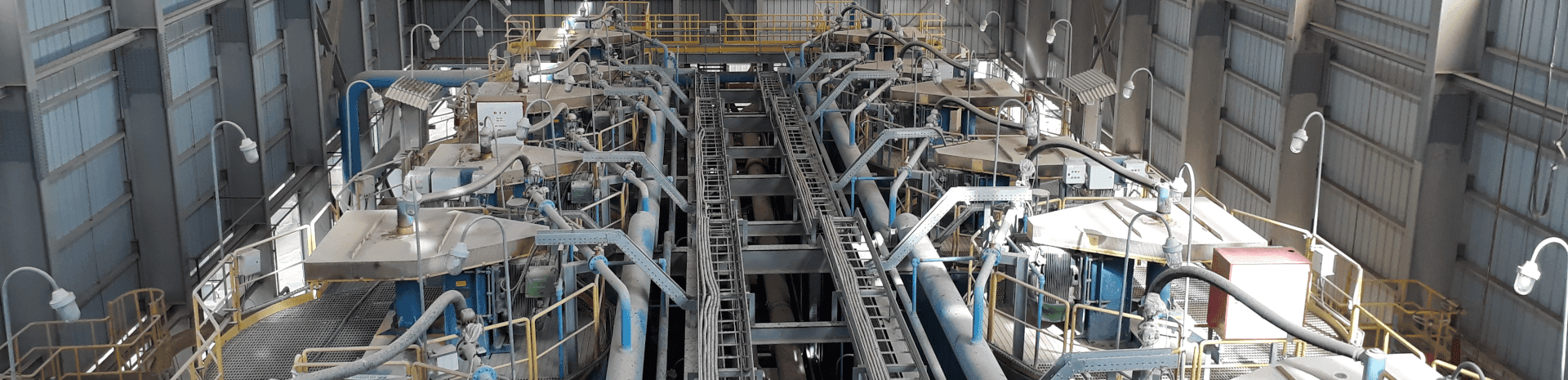
Maintaining stable process conditions is critical for efficient flotation. With the right instrumentation and integrated automation stable process con...
Tell us the medium, pipe size and operating conditions. An engineer will tell you which instrument fits and what to expect from it, in writing, so it can go in the file.